A facial hair softener helps soften facial hair, reduce coarseness, and make styling easier, especially when the beard suffers from dryness or tangling. The right choice depends on the product’s ingredients, skin type, and daily method of use.
Why Is Facial Hair Coarser Than Scalp Hair?
Facial hair differs from scalp hair in strand diameter, properties, and structure, and its growth is also influenced by androgen hormones. Beard hairs may be thicker and more curved in some men, making them appear coarser and harder to style.
Skin condition, natural oils, and moisture also affect beard texture. When the hair dries out or the skin becomes irritated, the strands may become coarser and more tangled, and this is where using a suitable facial hair softener makes a difference.
What Makes Facial Hair Coarser?
There are daily factors that can increase beard dryness and make styling harder:
- Hot water and harsh cleansers: frequent use may strip some of the natural oils and dry out the hair and skin.
- Dry weather: low-humidity air may increase moisture loss from hair and skin.
- Neglecting skin moisturization: dry skin beneath the beard can cause itching and a feeling of tightness.
- Repeated friction: rubbing the beard hard with a towel or combing it aggressively may increase breakage and tangling.
- Irregular care: the absence of proper cleansing and moisturizing may lead to dirt buildup and difficulty styling.
What Is the Best Facial Hair Softener and How Does It Work?
Choosing a facial hair softener depends on the beard’s nature and the skin’s needs. Products used to soften facial hair include beard oil, balm, dedicated cleansers, and styling brushes, and each serves a different function.
Beard oil
Beard oil helps soften hair and moisturize the skin beneath it, reducing dryness and making styling easier. Oils used in these products include jojoba, argan, and sweet almond, and the oil’s texture and absorption vary by formulation.
Beard balm
Beard balm typically combines oils, butters, and wax, helping to moisturize the hair and tame flyaway strands while providing light to moderate hold depending on the product. It is used after oil when extra control is needed for a long or unruly beard.
Dedicated beard soap
Dedicated beard soap helps remove dirt and excess oils without the need for harsh cleansers on facial hair. Choosing a suitable product reduces the likelihood of dryness from over-cleansing and prepares the beard to receive moisturizing products.
Beard brush
Beard brush helps distribute oil between strands and arrange them in a suitable direction, removes some surface dirt, and makes styling easier. Using a brush suited to the beard’s length and density is preferable, while avoiding excess pressure on the skin.
How to Build a Daily Routine for Softening Facial Hair
Ordering the care steps helps improve beard texture and reduce tangling. The following routine can be applied according to hair and skin needs:
- Wash the beard with a dedicated cleanser when needed, using lukewarm water.
- Dry the hair by gently patting and leave it slightly damp.
- Distribute an appropriate amount of beard oil on the skin beneath the hair, then work it through to the tips.
- Add beard balm if the hair needs extra hold.
- Comb the beard gently to distribute the oil and arrange the strands.
- Repeat moisturizing as needed, reducing the amount if a greasy texture or irritation appears.
What Oils Work Best as a Facial Hair Softener?
The properties of oils used in beard products differ, and the right type can be chosen based on texture and skin needs:
- Jojoba oil: helps soften hair and moisturize skin, with a texture suited to daily use.
- Argan oil: contains fatty acids and antioxidant compounds, and helps improve hair smoothness and appearance.
- Sweet almond oil: helps reduce dryness and soften coarse strands.
- Grapeseed oil: has a light texture suited to those who prefer less heavy oils.
- Coconut oil: helps reduce protein loss from hair in certain conditions, and may be heavy on some skin types.
- Olive oil: contains fatty acids that help soften hair and reduce the sensation of dryness.
A facial hair softener does not need to contain all of these oils. What matters most is the quality of the formulation and its suitability for use.
Mistakes That Make Facial Hair Coarser
Some habits can reduce the effectiveness of a beard softening routine:
- Washing the beard constantly with strong or unsuitable cleansers.
- Using very hot water frequently.
- Rubbing the hair hard while drying.
- Applying too much oil, causing grease buildup on the hair and skin.
- Combing the beard aggressively, especially when tangled.
- Continuing to use a product that causes itching or redness despite the irritation.
Qswra: A Complete Facial Hair Softener System in Egypt
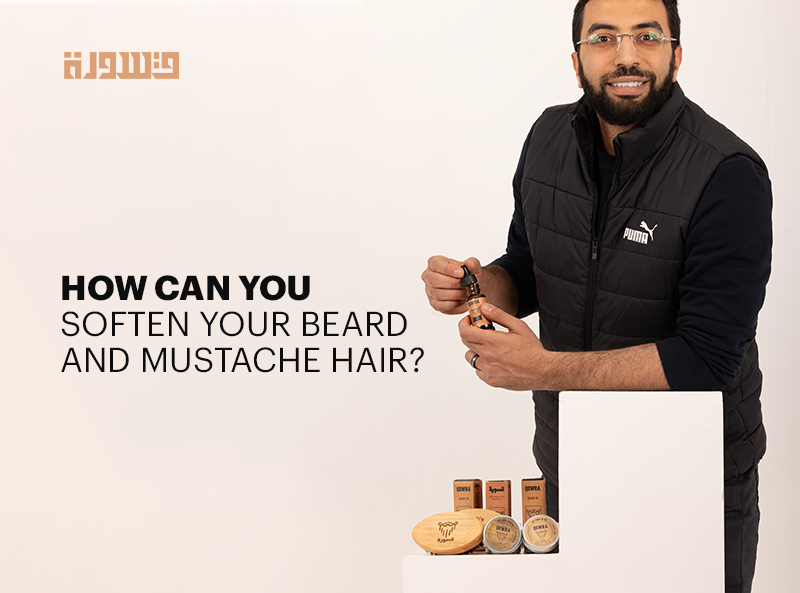
Qswra offers a range of beard care products including oil, balm, wax, a styling brush, and beard soap. According to the information provided about the brand’s products, the beard oil consists of six carrier oils: jojoba, sweet almond, grapeseed, coconut, olive, and argan.
The oil is used to soften and moisturize the hair, while the balm, which contains shea butter, beeswax, and rosemary oil, helps tame the strands and provide additional hold. The beard wax suits beard styling and shaping, the brush helps distribute the oil and arrange the hair, and the beard soap is used to cleanse the hair and skin.
Qswra products are available in different options to suit daily care needs. Checking each product’s ingredients and licensing information from the packaging or the company’s official channels before purchasing is preferable.
FAQs
What is the best facial hair softener for the beard?
The best facial hair softener depends on skin type and degree of hair coarseness. Beard oil helps with softening and moisturizing, and a suitable brush can be used to distribute the oil and arrange the strands. Qswra offers a beard oil with a formula containing six carrier oils as part of a complete beard care range.
How long does a facial hair softener take to show results?
Hair softness and easier styling may appear after the first use, while continued improvement depends on the regularity of care and the nature of the beard. There is no fixed timeframe that suits everyone, and results differ based on hair and skin condition and the product used.
Does a facial hair softener work on short beards too?
Yes, beard oil can be used on short hair to moisturize and soften it, and it also helps moisturize the skin beneath the strands. The appropriate amount is determined by hair density, while avoiding excess application is advisable.